
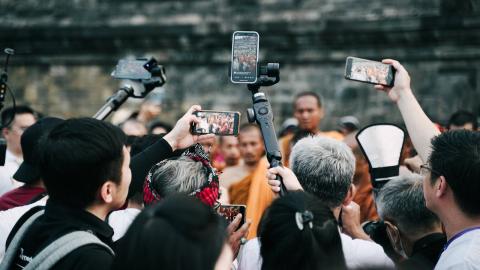
Journalists are always watching. Whether it is a trending hashtag, a viral TikTok, or a witty tweet, social media has become one of the first places reporters look when searching for their next story. In today’s digital-first world, a strong online presence is not just about building followers — it is about making your brand visible to the very people who shape tomorrow’s headlines.
The days of journalists waiting around for press releases are long gone. Newsrooms move fast, and social media platforms act as real-time tip lines. A viral post signals immediate public interest, and for a reporter under deadline, that is gold. Platforms like Twitter (X), TikTok, Reddit, and Instagram are often where journalists find leads, quotes, and human-interest stories before they hit traditional wires. As someone with a background in journalism, I can tell you firsthand that I have pulled countless stories straight from social media. When a post is blowing up, it signals that people care — and that is exactly what reporters are trained to chase.
| Related posts: |
| Growth Isn't Linear: Navigating the Social Media Maze |
| Consistency is Key |
We (Now Hear This) have a client who, unfortunately, is a survivor of the Bastille Day terror attack in Nice, France, in 2016 – and her husband was tweeting from there. What happened? Major news outlets were contacting him since he landed on their radar by virtue of him providing those real-time “reports” from the scene, all through one social media platform. That’s the power we have at our fingertips today, as he clearly saw nine years ago!
If your brand has a quiet, inconsistent, or outdated social media presence, you are missing out on media opportunities. Journalists often vet sources by their online profiles, and if your account looks inactive or spammy, it is unlikely to inspire confidence. Engagement also shows that your story already has an audience, making it a far easier pitch to editors. On top of that, content that is visual, clever, or timely practically writes itself into a headline.

This is also why we go to the lengths that we do to make sure that our clients’ social media platforms are being posted to regularly. It is disheartening seeing links on, say, an indie music artist’s website for their, for example, Facebook, X, Instagram, and TikTok accounts, only to go to one (sometimes more) of those and see that they haven’t posted in months and months. Once you become a possible source for news media, they want to see that you’ll be reliable and – yes, that word you always hear – consistent, so that they don’t look you up online and suddenly have doubts because it looks like you’ve disappeared.
Why else is that word important? The key to turning buzz into media coverage is, in fact, consistency. Regular posting keeps you visible not just to your audience but to the journalists scrolling for leads. Posts that include visuals, quotes, or data give reporters material they can use right away, while joining conversations around trending hashtags or viral moments ensures that you are part of the discussion they are monitoring. Responding to comments and keeping your brand voice human makes you more quotable and, in turn, more newsworthy.
There are plenty of examples of how online moments became major media stories. The Ice Bucket Challenge began as a grassroots social trend but grew into a global story that dominated headlines for months. The Twitter “roasts” authored by Wendy’s transformed a fast-food chain into a PR powerhouse because the content was so witty and shareable that journalists could not resist covering it. Even on a smaller scale, local businesses that tapped into trending sounds or memes have found themselves spotlighted in the news simply because they created content that aligned with what the internet was already talking about.
For some real entertainment, keep tabs on Tampa International Airport’s social media. Yes, “just” an airport, but that’s the point. Something people might feel will be unemotional, dare I say institutional, can pull people in and convert when a journalist decides, “I’m going to contact them for this piece because their content brings some levity to my day.”

Of course, not every viral moment translates into good press. Forcing virality often backfires, and ignoring negative buzz can quickly spiral into a PR crisis. The most successful brands understand that authenticity is key and that being prepared to engage — proactively or reactively — is just as important as going viral in the first place.
In the end, social media is no longer just for likes and followers. It is where headlines are born. By keeping your online presence active, authentic, and engaging, you are not just building brand awareness. You are positioning yourself for the moment when a journalist comes looking for their next big story. And remember, journalists are always watching.
For more than twenty years, Now Hear This – led by agency president Bruce Wawrzyniak, a Member of the Recording Academy – has helped indie music artists, authors, actors, entrepreneurs, podcasters, filmmakers, small business owners, and more. What challenges are you having in your creator career that we can lend some insight to? Connect with us so you can take advantage of all our experience, and we can help and keep you moving forward.